
The holiday season often brings joy, generosity, and meaningful connections. Yet, for many people, it can also bring holiday stress, emotional exhaustion, and unrealistic expectations. Finding emotional balance during this busy time of year begins with understanding how our feelings influence our choices. By strengthening emotional intelligence, developing self-awareness, practising mindfulness, and applying effective stress management strategies, we can navigate seasonal pressures with greater patience, perspective, and intention.
Understanding Your Emotions During the Holidays
The holidays can bring a wide range of emotions. You may feel excited about upcoming celebrations one moment and overwhelmed by responsibilities the next. Family expectations, financial pressures, last-minute changes, and unresolved disagreements can quickly influence how we feel and respond.
Our emotions provide valuable information. They can alert us to unmet needs, crossed boundaries, fatigue, or situations requiring our attention. The key is learning to recognize these signals without allowing them to dictate our behaviour.
Emotional intelligence helps us understand what we are feeling, recognize what influences our emotions, and choose how we respond rather than simply reacting. This doesn't mean suppressing difficult emotions or expecting ourselves to remain calm in every situation. It means developing greater awareness so we can approach challenges with clarity, empathy, and self-control.
As I often emphasize in my emotional intelligence training, understanding our emotions is an important step toward managing them effectively. For more insight, explore my article, Embracing Emotional Intelligence: Emotions as Catalysts for Rational Choices, which examines the relationship between emotions and decision-making.
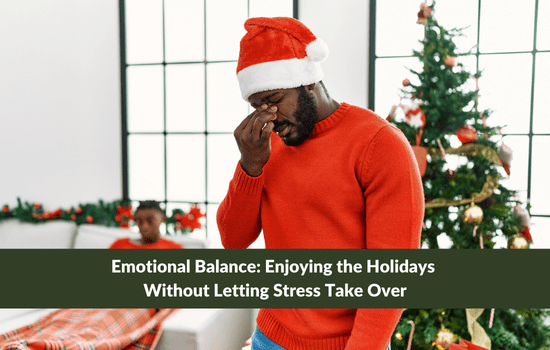
Recognizing Your Holiday Stress Triggers
Holiday stress affects everyone differently. For some, it comes from a packed schedule and competing responsibilities. For others, it may involve family tension, loneliness, grief, financial concerns, or memories associated with past holidays.
Recognizing what triggers your emotional responses is an important part of developing self-awareness.
Ask yourself:
-
What situations tend to increase my stress during the holidays?
-
Am I trying to meet unrealistic expectations?
-
Have I taken on more than I can reasonably manage?
-
What do I need to feel calmer, more supported, or better prepared?
These questions can help you identify emotional patterns and recognize where changes may be necessary. It's equally important to remember that the people around us may be experiencing challenges we cannot see. Approaching others with patience, understanding, and empathy can make difficult interactions easier to navigate.
Self-awareness helps us understand our own emotional experiences, while empathy reminds us to consider the experiences of others. For additional insight, read The Whisper of Emotions: Decoding the Crucial Signals They Send, which explores why recognizing and understanding our feelings is essential to emotional intelligence.
What Is Emotional Hijacking?
Have you ever reacted to a comment, disagreement, or unexpected situation and later wished you had responded differently?
This can happen when intense emotions temporarily interfere with our ability to think clearly and respond thoughtfully. Often referred to as emotional hijacking, this experience can cause us to react impulsively rather than consider the consequences of our words or actions.
During the holidays, fatigue, heightened expectations, and ongoing stress can make emotional reactions more difficult to manage. A minor inconvenience may suddenly feel overwhelming. An innocent comment may be interpreted negatively. A disagreement may escalate because we respond before considering another person's perspective.
Recognizing these moments is an important emotional intelligence skill. You may notice physical or emotional warning signs, including increased tension, a racing heartbeat, irritability, or the urge to respond immediately.
The earlier we recognize these signals, the greater the opportunity to interrupt an impulsive reaction and choose a more constructive response. For more guidance, explore Emotional Resilience Unveiled: Surprising Strategies to Reduce Emotional Hijacking
Five Steps to Regain Emotional Control
When frustration, anger, or anxiety begins to build, try this simple exercise:
-
Pause. Give yourself a moment before responding.
-
Breathe slowly. Take a few gentle breaths, allowing your exhale to be comfortable and unhurried.
-
Count to ten. Use this brief pause to create some distance from your immediate reaction.
-
Identify the emotion. Ask yourself what you are feeling and what may have triggered it.
-
Choose your response. Consider what you want to accomplish and how you can respond constructively.
Even a short pause can create space between what we feel and what we do. This doesn't guarantee that every difficult emotion will disappear. Instead, it allows us to approach the situation with greater awareness, perspective, and intention.
Emotional balance isn't about controlling every feeling. It's about developing the ability to respond thoughtfully, even when emotions run high.
Practical Stress Management Strategies for a More Balanced Holiday Season
Effective stress management involves recognizing what we can influence and making choices that support our emotional and physical well-being.
The following 11 strategies can help you manage holiday pressures without expecting yourself to do everything perfectly. Choose the approaches that best suit your circumstances and personal needs.
1. Plan and Prioritize
Holiday responsibilities can quickly become overwhelming when everything feels equally important. Create a realistic list of what needs to be done and identify your most meaningful priorities. Consider what is essential, what can wait, and what may not need to happen at all.
Rather than focusing on accomplishing everything, direct your energy toward the activities and responsibilities that matter most. A manageable plan can help reduce unnecessary pressure and create a greater sense of control.
2. Establish a Realistic Budget
Financial expectations can create significant holiday stress. Decide what you can comfortably afford before shopping, entertaining, or planning celebrations.
Remember, thoughtful gestures and meaningful experiences don't need to involve excessive spending. Setting realistic financial boundaries can help you make decisions with greater confidence and reduce the emotional pressure associated with holiday expenses.
3. Share Responsibilities and Ask for Help
You don't have to manage every holiday responsibility yourself. Invite family members or friends to help with decorating, preparing meals, shopping, or organizing gatherings. Sharing responsibilities can reduce the demands placed on one person while creating opportunities for cooperation and connection.
Emotional intelligence also involves recognizing when we need support and communicating those needs respectfully. Asking for help is not a sign of weakness. It's an opportunity to practise self-awareness and strengthen relationships.
4. Set Healthy Boundaries
You can appreciate an invitation without accepting it. Recognize when your schedule, energy, or emotional capacity is becoming stretched, and permit yourself to decline commitments that may leave you overwhelmed.
Setting boundaries requires self-awareness and assertiveness, two important emotional intelligence skills. Communicate your decisions clearly and respectfully while recognizing that others may have different expectations. Sometimes, saying no to one commitment allows you to give greater attention to something more meaningful.
5. Make Time to Recharge
The holiday season can be physically and emotionally demanding, particularly when responsibilities leave little time for rest. Build short breaks into your schedule rather than waiting until you feel completely exhausted. Enjoy a quiet cup of tea, read a book, listen to music, spend time outdoors, or simply allow yourself a few moments without another task to complete.
Recognizing when you need rest is an important part of self-awareness. Taking time to recharge can help you approach responsibilities and relationships with greater patience and emotional capacity. For additional ideas, explore Recharge and Thrive: The Science-Backed Benefits of Self-Care on Your Emotional Intelligence.
6. Stay Physically Active
Movement can support emotional well-being and provide a healthy outlet for stress. Take a walk, stretch, dance to your favourite holiday music, or maintain an exercise routine that works for you. Physical activity doesn't have to be strenuous or time-consuming to be worthwhile. Choose activities you enjoy and that suit your abilities and energy levels.
7. Practise Mindfulness
During the holidays, our thoughts can become consumed by everything we still need to accomplish. Mindfulness encourages us to bring our attention back to the present moment rather than becoming overwhelmed by future responsibilities or past frustrations.
When you notice tension building, pause and ask yourself: What am I feeling right now, and what do I need?
Take a few slow breaths, notice your surroundings, and allow yourself a moment to regain perspective. Mindfulness doesn't remove every source of stress, but it can help us recognize our emotional responses and make more intentional choices. For additional guidance, read Embracing Mindfulness: A Pathway to a More Meaningful Life.
8. Protect Your Sleep and Be Mindful of Your Habits
When holiday schedules become busy, sleep and healthy routines are often among the first things we sacrifice. Yet insufficient rest can make it more difficult to manage emotions, maintain patience, and respond thoughtfully.
Whenever possible, maintain a consistent sleep schedule and avoid filling every evening with commitments. Also, pay attention to how alcohol, caffeine, and changes in your usual routines affect your sleep, energy, and mood. Small adjustments can help support your well-being during a demanding season.
9. Manage Expectations and Let Go of Perfectionism
Holiday celebrations rarely unfold exactly as planned. A meal may be delayed, someone may change their plans, or a carefully arranged gathering may encounter an unexpected challenge. When this happens, notice how your expectations influence your emotional response.
Ask yourself: Is this situation worth the stress I'm experiencing? Will it matter in a week or a year?
Emotional intelligence encourages us to recognize when perfectionism is creating unnecessary frustration and to respond with greater flexibility. A meaningful holiday experience doesn't require everything to go according to plan. For more ideas on simplifying celebrations and letting go of unnecessary expectations, explore Finding Joy in Simplicity: Your Guide to a Beautiful Holiday Season.
10. Stay Flexible When Plans Change
Even the most carefully organized holiday plans can change unexpectedly. When circumstances shift, focus on what remains within your influence rather than dwelling on what you cannot control. Consider alternative solutions, communicate openly, and give yourself time to adjust.
Flexibility doesn't mean pretending to enjoy every change. It means acknowledging disappointment while remaining open to a constructive way forward. Developing adaptability can help you maintain greater emotional balance when the unexpected occurs.
11. Prioritize Supportive Connections
Meaningful relationships can provide encouragement, understanding, and a sense of belonging during the holidays. Make time for people who help you feel supported and appreciated. Rather than trying to attend every gathering, focus on opportunities for genuine conversation and connection.
Remember that emotional intelligence also involves recognizing the needs and feelings of others. Sometimes, offering a listening ear or checking in with someone who may be struggling can be just as meaningful as celebrating together. The quality of our connections often matters more than the number of social commitments we make. For more guidance on recognizing stress patterns and responding constructively, read From Stress to Serenity: Using Emotional Intelligence to Change Your Emotional Landscape.
Making Room for Connection, Gratitude, and Joy
Although managing holiday stress is important, the season is also an opportunity to appreciate the experiences and relationships that bring meaning to our lives. Share a laugh, express gratitude, enjoy a favourite tradition, or spend time with someone who makes you smile.
These experiences don't eliminate life's challenges, but they can provide moments of connection, enjoyment, and perspective. Gratitude doesn't mean ignoring difficult emotions or pretending everything is perfect. It means recognizing what we appreciate, even when some circumstances remain challenging. Equally important is extending kindness and compassion to others.
Not everyone experiences the holidays in the same way. Some may be navigating grief, loneliness, family challenges, or other personal difficulties. By responding with empathy rather than assumptions, we can help create a more supportive environment for ourselves and those around us. For more inspiration, explore The Human Side of the Holidays: Why Smiles and Laughter Matter and Why Practising Gratitude and Appreciation Shouldn't Be Limited to Thanksgiving.
Strengthen Self-Awareness Through Reflection
One of the most valuable ways to strengthen emotional intelligence is to make time for reflection. Rather than moving from one responsibility to the next, pause and consider how your emotions influenced your experiences and interactions.
Reflective writing can help you identify recurring stress triggers, recognize emotional patterns, and consider how you might respond differently in the future. At the end of the day, ask yourself:
-
What situations affected my emotions today, and why?
-
How did I respond, and what might I do differently next time?
-
What helped me feel calmer, more connected, or appreciative?
You don't need to write extensively. Even a few thoughtful sentences can encourage greater self-awareness and help you recognize opportunities for personal growth.
For those interested in making reflection a regular practice, my book, The Mindful Journal: Cultivating Emotional Intelligence Through Reflective Writing, offers 115 days of guided prompts designed to help you explore your emotions, strengthen self-awareness, and develop emotional intelligence.
Choose Emotional Balance This Holiday Season
The holidays don't have to be perfect to be meaningful. By strengthening emotional intelligence, developing self-awareness, practising mindfulness, and applying effective stress management strategies, we can navigate holiday stress with greater patience, perspective, and emotional balance.
Remember, we cannot always control what happens around us, but we can become more intentional about how we respond. For more practical guidance on understanding and managing emotions, explore my book, The Power of Emotion: A Practical Approach to Making the Most of Your Emotional Intelligence. This holiday season, give yourself the gift of greater emotional awareness, compassion, and peace. Wishing you a peaceful and meaningful holiday season!
This article was originally published on December 7, 2019, and updated in October 2026.
More Motivational Reads Here »
How Emotionally Intelligent Are You?
Sign up for monthly tips to build your Emotional Intelligence and reduce Emotional Hijacking!