
Workplace bullying can undermine confidence, increase stress, and affect performance and well-being. Emotional intelligence provides practical skills to help you respond with greater clarity, confidence, and intention.
How Emotional Intelligence Helps You Respond to Workplace Bullying
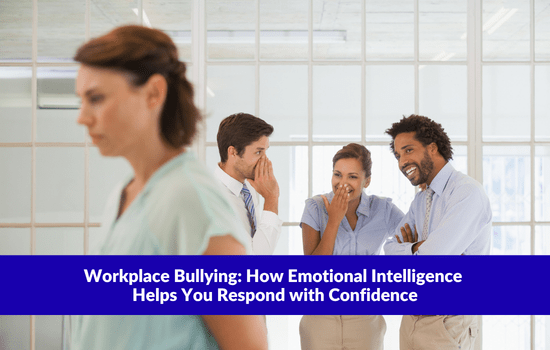
A national Canadian survey conducted by the Canadian Labour Congress found that seven in ten workers have experienced some form of workplace harassment or violence, demonstrating the significant impact these behaviours can have on individuals and organizations alike.
Sadly, bullying can occur in any workplace. When it comes from a leader, it can be especially damaging, eroding confidence, increasing stress, and affecting both performance and overall well-being.
This is where emotional intelligence can become one of your greatest strengths. By developing self-awareness to recognize how these experiences affect you, self-management to regulate your emotions, empathy to understand different perspectives without accepting inappropriate behaviour, communication to establish respectful boundaries, and resilience to recover and move forward, you can respond with greater confidence rather than fear.
For leaders, creating a psychologically safe workplace isn't simply good leadership; it's essential to employee well-being, engagement, retention, and organizational success.
Here are several strategies I share with my clients to help them address workplace bullying while protecting their confidence, well-being, and long-term professional success.
Stay Calm and Professional
One of the greatest strengths of emotional intelligence is self-management, the ability to regulate your emotions even when someone else is unable to regulate theirs.
Bullies often seek an emotional reaction. By pausing before responding, maintaining your composure, and communicating professionally, you demonstrate confidence and emotional maturity. Remaining calm doesn't mean accepting inappropriate behaviour; it means refusing to let someone else dictate your response.
Remember: Your greatest power lies not in controlling others, but in controlling yourself.
Set Clear Boundaries
Respect is the cornerstone of every healthy workplace.
Strong communication allows you to address inappropriate behaviour clearly, respectfully, and confidently. Boundaries communicate what you will and will not accept while encouraging more respectful interactions.
Setting boundaries is not confrontational; it is an act of self-respect and professional leadership.
Document Patterns
Bullying often develops gradually through repeated behaviours rather than one dramatic incident.
Use self-awareness; separate emotions from observable facts. Record dates, conversations, witnesses, emails, and specific behaviours. Documentation provides clarity, reduces self-doubt, and creates a factual record should further action become necessary.
Facts are often your strongest ally.
Seek Support
No one should face workplace bullying alone.
Whether you speak with a trusted colleague, mentor, Human Resources representative, or employee assistance program, seeking support demonstrates strength, not weakness.
Practicing empathy also helps here. While empathy may help you understand that a bully's behaviour could be influenced by stress, insecurity, or poor leadership skills, that understanding never means accepting or excusing it. Emotional intelligence allows you to balance compassion with healthy boundaries.
Focus on Your Strengths
One of the most damaging effects of bullying is the gradual erosion of confidence.
Remind yourself regularly of your accomplishments, strengths, and the value you bring to your organization. Celebrate your successes, continue learning, and surround yourself with people who recognize your contributions.
This is where resilience becomes essential. Resilience isn't about pretending everything is fine; it is about recovering from adversity, adapting to challenges, and continuing to grow despite them.
Your confidence should come from your character, not someone else's opinion.
Know When to Escalate
Emotional intelligence does not mean tolerating unacceptable behaviour. Responding thoughtfully and professionally should never be confused with accepting conduct that crosses appropriate workplace boundaries.
If bullying persists despite your efforts, affects your well-being, or contributes to a toxic work environment, it may be appropriate to escalate the issue through your organization’s policies or formal reporting processes.
Advocating for yourself is an important act of self-respect and may also contribute to a healthier, more accountable workplace for others experiencing similar challenges.
Focus on What You Can Control
Workplace bullying can challenge even the most confident professional, but it does not have to define your career. By strengthening your self-awareness, practicing self-management, leading with empathy, communicating with confidence, and developing resilience, you build the emotional intelligence needed to respond thoughtfully rather than react emotionally.
While you cannot control another person’s behaviour, you can control how you choose to respond. Difficult experiences can become opportunities to strengthen your emotional intelligence, reinforce your values, protect your well-being, and demonstrate the kind of leadership that inspires trust and respect.
Confidence is not the absence of adversity; it is knowing you have the emotional intelligence to face it without losing sight of who you are.
Emotional intelligence helps create workplaces built on respect, safety, and accountability. By strengthening self-awareness, self-management, empathy, communication, and resilience, leaders and employees can respond to difficult situations with greater confidence while building healthier workplace relationships. Explore The Power of Emotion and The Mindful Journal for practical strategies to strengthen emotional intelligence and create positive change at work and in life.
More Motivational Reads Here »
How Emotionally Intelligent Are You?
Sign up for Linda’s monthly tips to build your Emotional Intelligence and reduce Emotional Hijacking!