The holiday season often brings celebration, family, and connection, but it can also bring holiday stress, emotional exhaustion, and unrealistic expectations. Strengthening your emotional intelligence, practicing mindfulness, and using effective stress management strategies can help you protect your holiday well-being and maintain a healthier emotional balance. With a little planning, self-awareness, and flexibility, you can navigate seasonal pressures more confidently and make more room for the moments that matter most.
Unwrapping Inner Peace: Your Holiday Stress-Relief Guide
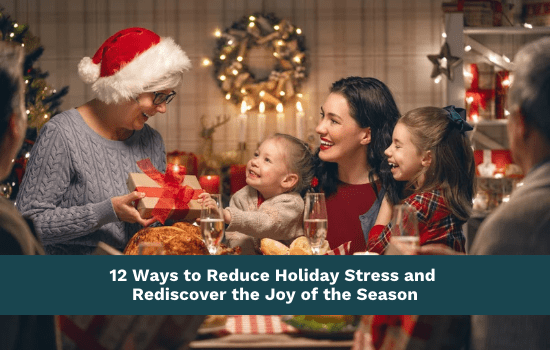
The holidays can trigger a range of emotions. While many people look forward to the festivities, others may experience financial pressure, family tensions, loneliness, grief, or the exhaustion that comes from trying to do too much. If the season feels overwhelming, you are not alone. The answer is not to make everything perfect or eliminate every challenge. Instead, focus on what you can influence, recognize your emotional needs, and create a realistic plan for enjoying the season.
Emotional intelligence helps us recognize, understand, and manage our emotions while becoming more aware of others' feelings. These skills are especially valuable during the holidays, when busy schedules and heightened expectations can test our patience. In my work and writing about emotional intelligence, I emphasize that how we respond to our emotions can influence our decisions, relationships, and overall quality of life. Learning to pause, reflect, and respond thoughtfully takes practice, but it is a skill we can keep strengthening.
For more insight, read Emotional Balance: Enjoying the Holidays Without Letting Stress Take Over and Regulating Your Emotions Will Make You More Successful.
Give the Best of Yourself This Holiday Season
Reducing holiday stress begins with being intentional about how you spend your time, energy, and attention. Instead of focusing on everything you think you should do, consider what will make the season meaningful for you and the people you care about. A positive outlook does not mean ignoring difficulties. It means recognizing what you can control and choosing where to direct your attention. You may not be able to change every circumstance, but you can reconsider your expectations, establish boundaries, and make room for experiences that bring you joy.
My earlier article, The Gift of Your Best Self: Cultivating a Positive Holiday Mindset, offers additional inspiration for approaching the holidays with intention.
Laughter Can Help Ease Holiday Stress
Amid shopping, planning, and social commitments, do not forget to laugh. Sharing a funny story, enjoying a favourite holiday movie, or spending time with people who make you smile can lighten a busy day. Laughter can help us relax and connect with others. It will not solve every challenge, but it can offer a welcome break from worry and remind us that enjoyment doesn't have to be complicated.
Explore my article, Laughter is The Best Medicine to Boost Your Holiday Season with Joy and Emotional Well-Being, for more thoughts on the value of laughter and positive emotions.
12 Practical Ways to Reduce Holiday Stress
Effective stress management is not about doing more. It is about making thoughtful choices that protect your time, energy, and emotional well-being. Here are 12 practical ways to approach the holidays with greater calm and enjoyment.
1. Manage your emotions instead of letting them manage you
Pay attention to your emotional triggers. When frustration, anxiety, or irritation builds, pause before reacting. Take a few slow breaths and consider what is influencing your feelings. Ask yourself, “What is the most constructive way to respond to this situation?” This simple practice supports emotional intelligence and helps prevent a difficult moment from escalating.
2. Maintain a balanced perspective
When plans change, or something goes wrong, try not to let one disappointment overshadow the entire day. Ask yourself whether the issue is truly as significant as it feels in the moment. You can acknowledge frustration without allowing it to determine your mood for the rest of the day. A balanced perspective helps you focus on what matters most.
3. Make room for laughter and smiles
Build enjoyment into your holiday plans. Listen to music, share stories, watch a comedy, or spend time with people who lift your spirits.Small moments of pleasure can help balance the season's demands and create lasting memories.
4. Embrace a “less is more” approach
You do not need to attend every event, decorate every room, or prepare an elaborate meal to create a memorable holiday. Choose the traditions you genuinely enjoy and let go of those that create unnecessary pressure. Simplifying your plans can make it easier to appreciate the experiences you keep. For more inspiration, read Finding Joy in Simplicity: Your Guide to a Beautiful Holiday Season.
5. Set limits on social commitments
You can enjoy a gathering without staying for hours. If your schedule is full, consider attending for a shorter time or choosing the events that matter most to you. Setting limits doesn't mean you care less about others; it helps you balance your commitments with your own needs.
6. Make time for yourself and your immediate family
The holiday season can involve many invitations and expectations. Remember to protect time for yourself and those closest to you. A quiet evening, a family walk, or an unhurried meal together can be just as meaningful as a large celebration. Consider what helps you feel connected and restored.
7. Create new traditions when old ones no longer work
If previous holidays have felt stressful, consider making a change. Perhaps you can simplify a meal, rotate hosting responsibilities, exchange fewer gifts, or celebrate on a different day. Traditions should bring meaning and connection, not become obligations that leave everyone exhausted. Give yourself permission to find new ways to celebrate.
8. Be mindful of spending, eating, and drinking
Financial pressures can contribute significantly to holiday stress. Set a realistic spending limit and remember that thoughtful gestures often mean more than expensive gifts. Also, pay attention to how eating, drinking, and caffeine affect your energy, sleep, and mood. Aim for choices that help you feel well rather than those that add to your stress.
9. Recognize when you need space
Even enjoyable time with family and friends can become tiring when there is little opportunity to recharge. Notice when you are becoming impatient or overwhelmed and take a short break if needed. A few quiet minutes can help you return to a gathering with more patience and a clearer perspective.
10. Recognize when you need more connection
The opposite can also be true. Some people experience loneliness during the holidays, particularly when separated from loved ones or coping with loss. If you need connection, reach out to a friend, arrange a visit, volunteer, or participate in a community activity. You do not have to wait for someone else to make the first move. Be mindful of others, too. A phone call, invitation, or thoughtful message may mean more than you realize.
11. Practice mindfulness and remember to breathe
Mindfulness helps you focus on the present moment instead of getting consumed by your to-do list. When you feel overwhelmed, pause and breathe slowly. Notice the sights, sounds, and people around you. During a meal or conversation, focus on the experience rather than moving on to the next task in your mind. Mindfulness does not require a lengthy meditation session. Even a brief pause can help you reset and respond more intentionally. For additional guidance, explore Embracing Mindfulness: A Pathway to a More Meaningful Life.
12. Give more cards with personal notes and fewer gifts
A handwritten card, a personal note, or a heartfelt expression of appreciation can mean a lot. Consider giving experiences, time, or help instead of focusing exclusively on material gifts. The most memorable gifts often make someone feel seen, valued, and appreciated. Practicing gratitude also helps us recognize what we already have. You may find inspiration in Why Practicing Gratitude and Appreciation Shouldn’t Be Limited to Thanksgiving.
Recognize When Stress Is Becoming Too Much
Some stress is a normal part of life, but ongoing stress without enough time to recover can affect our energy, mood, concentration, and relationships. Watch for signs such as persistent irritability, difficulty sleeping, feeling emotionally drained, or losing interest in activities you normally enjoy. These signals are worth taking seriously.
Building self-awareness helps you recognize when you need to slow down, adjust your expectations, ask for support, or seek professional help if stress is significantly affecting your daily life. My article, Burnout Doesn't Happen Overnight: How Emotional Intelligence Helps You Recognize the Warning Signs, explores why noticing these changes early matters.
It is also important to practice compassion toward yourself and others. We do not always know what someone else is experiencing, and a little patience can make a difficult situation easier to navigate. Read Choosing Grace: How Emotional Intelligence Helps Us Respond Without Judgment for more on this topic.
Make Time for Reflection
One way to strengthen emotional intelligence is to reflect on how you respond to everyday challenges. At the end of the day, ask yourself:
-
What brought me joy today?
-
What caused me stress, and why?
-
How did I respond when things did not go as planned?
-
What could I do differently tomorrow?
-
What am I grateful for?
Writing down your thoughts can help you recognize patterns, understand your emotional triggers, and identify changes that may improve your holiday well-being.
My book, The Power of Emotion: A Practical Guide to Making the Most of Your Emotional Intelligence, explores how understanding our emotions can support personal growth, stronger relationships, and more intentional choices. You can also explore The Mindful Journal: Cultivating Emotional Intelligence through Reflective Writing, which offers 115 days of guided reflection to help you build self-awareness and make time for personal growth.
The holidays do not have to be perfect to be meaningful. Practice mindfulness, strengthen your emotional intelligence, and use realistic stress management strategies to reduce holiday stress and protect your well-being. By simplifying expectations and focusing on what matters most, you can enjoy a more joyful, peaceful, and meaningful holiday season.
This article was originally published on December 18, 2021, and has been updated (October 2026).
More Motivational Reads Here »
How Emotionally Intelligent Are You?
Sign up for monthly tips to build your Emotional Intelligence and reduce Emotional Hijacking!