The holiday season offers an opportunity to reconnect with loved ones, reflect on what matters most, and create meaningful memories. Yet the season's demands can sometimes allow holiday stress to overshadow our enjoyment. By cultivating a positive holiday mindset, strengthening emotional intelligence, practising gratitude, and making intentional choices that support personal growth, we can focus on what we can influence rather than what we cannot control. This holiday season, give yourself the gift of presence, appreciate what you have, and bring your best self to the people and experiences that matter most.
What Does It Mean to Bring Your Best Self to the Holidays?
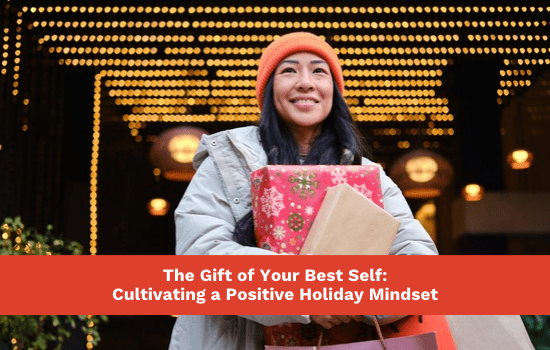
Bringing your best self to the holidays isn't about meeting everyone's expectations, doing everything perfectly, or maintaining a positive attitude at every moment. It's about showing up with greater self-awareness, patience, kindness, and authenticity while recognizing your own needs and limitations.
The holidays can bring a mixture of excitement, happiness, disappointment, and stress. Between family gatherings, gift-giving, financial pressures, and competing responsibilities, even the most meaningful celebrations can become emotionally demanding.
Emotional intelligence helps us recognize how our feelings influence our thoughts, decisions, and interactions with others. By developing greater awareness, we can respond more thoughtfully, communicate our needs, and make choices that reflect what matters most to us.
A positive holiday mindset doesn't mean ignoring difficult emotions or pretending everything is wonderful. It means acknowledging challenges while remaining open to possibilities, meaningful experiences, and constructive choices.
As I often emphasize in my emotional intelligence training, we cannot control every circumstance, but we can develop greater awareness of how we respond. For additional guidance, explore Emotional Balance: Enjoying the Holidays Without Letting Stress Take Over.
Focus on What You Can Influence, Not What You Cannot Control
Our mindset influences how we interpret situations, approach challenges, and interact with the people around us. When we focus exclusively on what is wrong, missing, or beyond our control, we may overlook the opportunities available to us. Instead, consider what you have, what you can do, and where your choices can make a meaningful difference.
In his book, The 7 Habits of Highly Effective People, Stephen Covey introduces the concept of the Circle of Influence, encouraging us to direct our attention and energy toward areas where we can make a difference rather than becoming consumed by circumstances outside our control.
This principle is especially valuable during the holidays. You cannot control the weather, unexpected changes to plans, other people's expectations, or how family members choose to behave. However, you can influence how you prepare, communicate, establish boundaries, and respond when things don't unfold as expected. For example, you can:
-
Prioritize meaningful commitments rather than trying to attend every gathering.
-
Communicate your needs and expectations respectfully.
-
Ask for support instead of taking on every responsibility yourself.
-
Establish realistic financial and personal boundaries.
-
Choose how to approach difficult conversations.
-
Make time for rest, connection, and experiences that bring you joy.
Being proactive doesn't mean preventing every challenge. It means recognizing where your influence exists and using it thoughtfully. When negative thoughts arise, acknowledge them without allowing them to define your entire experience.
Ask yourself:
-
What is within my influence right now?
-
Am I focusing on something I cannot change?
-
What is one constructive step I can take?
-
How can I approach this situation with greater patience or perspective?
These questions encourage self-awareness and help redirect our attention toward meaningful action. Developing a positive mindset is not about denying reality. It is about approaching life's challenges with greater flexibility, optimism, and intention. For more insight, explore Positivity in Practice: How to Harness a Positive Mindset.
Develop an Attitude of Gratitude
Gratitude encourages us to recognize and appreciate the people, experiences, and opportunities that bring meaning to our lives. During the holidays, it's easy to become focused on what remains unfinished, what hasn't gone according to plan, or what we wish were different.
Practising gratitude can help broaden our perspective. This doesn't mean ignoring disappointment, sadness, or other difficult emotions. We can acknowledge life's challenges while also recognizing what we appreciate. Take a few moments to reflect on something meaningful. It might be a conversation with a friend, a thoughtful gesture, time with family, or the opportunity to create a new memory.
You can also express gratitude directly. Tell someone why you appreciate them, write a personal note, or acknowledge an act of kindness that might otherwise go unnoticed.
Gratitude becomes especially meaningful when it moves beyond what we feel and influences how we treat others. For more inspiration, explore Why Practising Gratitude and Appreciation Shouldn't Be Limited to Thanksgiving.
Eight Ways to Take Ownership of Your Holiday Experience
Although we cannot control every aspect of our lives, we can influence many of the choices and behaviours that shape our experiences. Recognizing these opportunities is an important part of developing emotional intelligence and a constructive mindset.
Here are eight areas where you can exercise greater personal influence during the holidays and beyond.
1. Your Mindset
The way we interpret situations can influence how we feel and respond. When something doesn't go according to plan, notice whether your thoughts are helping you move forward or adding to your frustration.
Instead of focusing only on what went wrong, consider what you can learn, appreciate, or approach differently. Optimism isn't the belief that everything will be perfect. It's the willingness to recognize possibilities even when circumstances are challenging.
2. Your Emotional Responses
We don't always choose our immediate emotional reactions, but we can develop greater awareness of how we express them. When frustration, disappointment, or anxiety arises, pause before responding. Identify what you are feeling, consider what may have triggered it, and choose how you want to proceed.
This is where self-awareness and self-management, two important emotional intelligence skills, become especially valuable. A thoughtful response can help prevent a difficult moment from becoming an unnecessary conflict.
3. Your Priorities
The holidays often come with competing demands on our time, energy, and attention. Rather than trying to accomplish everything, identify what matters most. Consider which commitments reflect your values and which may be driven primarily by obligation or external expectations.
Making intentional choices can help you devote more attention to meaningful experiences. Your priorities should reflect what matters to you, not simply what others expect from you.
4. Your Boundaries
Healthy boundaries help us recognize and communicate our personal limits. You can appreciate an invitation without accepting it, offer support without taking on every responsibility, and care about others without neglecting your own needs.
Establishing boundaries requires self-awareness and assertiveness. It also involves empathy, recognizing that other people may have expectations or feelings that differ from our own. Communicating respectfully allows us to honour our needs while maintaining consideration for others.
5. Your Communication
The way we communicate can significantly influence our relationships. During emotionally demanding situations, practise listening to understand rather than simply preparing your response. Express your thoughts clearly, ask thoughtful questions, and remain mindful of how your words and tone may affect others.
When disagreements arise, focus on understanding the issue rather than proving who is right. Effective communication isn't only about expressing ourselves. It's also about helping others feel heard and respected.
6. Your Habits and Well-Being
Our daily habits influence our energy, emotional capacity, and ability to navigate challenges. Although health and personal circumstances are not always within our control, we can make choices that support our well-being.
Prioritize rest when possible, remain physically active in ways that suit your needs, and make time for activities that help you recharge. Pay attention to the habits that support you and those that may be contributing to unnecessary stress. Personal well-being isn't about achieving perfection. It's about recognizing what you need and making thoughtful adjustments where possible.
7. Your Relationships
We cannot control how others behave or how every relationship develops, but we can influence the quality of our interactions. Make time for people who bring meaning to your life. Express appreciation, demonstrate empathy, and approach differences with patience and respect.
Recognize that everyone may experience the holiday season differently. Sometimes, the most meaningful gift we can offer another person is our attention, understanding, and willingness to listen.
8. Your Personal Growth
Every experience offers an opportunity to learn something about ourselves. Consider how your choices, emotional responses, and interactions reflect the person you want to become.
You may discover an opportunity to strengthen your patience, communicate more effectively, establish healthier boundaries, or approach challenges with greater flexibility. Personal growth doesn't require dramatic transformation. Often, it begins with one small, intentional change.
By focusing on these eight areas, we can approach the holidays with greater self-awareness and recognize that meaningful progress comes from thoughtful choices rather than trying to control every outcome. For additional guidance, explore The Art of Emotional Regulation: Strategies to Counteract Emotional Hijacking.
Give Yourself Permission to Grow
As the year draws to a close, the holiday season can offer a meaningful opportunity to reflect on our experiences, recognize our progress, and consider how we would like to grow.
Personal growth isn't about criticizing ourselves for what we haven't accomplished. It's about acknowledging what we've learned, appreciating how far we've come, and identifying opportunities to move forward with greater intention. Take a few moments to reflect on the past year.
Ask yourself:
-
What have I learned about myself this year?
-
Which experiences challenged my mindset or emotional balance?
-
What would I like to approach differently in the coming year?
-
How can I bring more kindness, gratitude, and understanding into my relationships?
These questions encourage reflection without placing unnecessary pressure on ourselves to change everything at once. Writing down your thoughts can help you recognize patterns, appreciate progress, and identify meaningful opportunities for personal growth.
My book, The Mindful Journal: Cultivating Emotional Intelligence through Reflective Writing, offers 115 days of guided prompts designed to support self-awareness, emotional reflection, and personal development. For additional insight into understanding emotions and using that awareness to improve everyday experiences, explore my book, The Power of Emotion: A Practical Approach to Making the Most of Your Emotional Intelligence.
Give the Gift of Your Best Self This Holiday Season
Bringing your best self to the holidays isn't about doing more or being perfect. It's about cultivating a positive holiday mindset, strengthening emotional intelligence, practising gratitude, and making intentional choices that support personal growth while helping you navigate holiday stress.
Remember, you cannot control every circumstance, but you can influence how you respond, connect with others, and appreciate what matters most.
This holiday season, the greatest gift you can offer isn't perfection. It's your presence, kindness, and authentic self. Wishing you a holiday season filled with gratitude, meaningful connections, and growth opportunities!
This article was originally published on December 17, 2016, and updated in October 2026.
More Motivational Reads Here »
How Emotionally Intelligent Are You?
Sign up for monthly tips to build your Emotional Intelligence and reduce Emotional Hijacking!