
Acts of kindness may appear small, but their impact can create lasting change. Through emotional intelligence, we begin to recognize how kindness and gratitude influence emotional well-being, strengthen meaningful relationships, and shape the way people feel, connect, and respond to one another. Whether at home, in the workplace, or within our communities, even the smallest act of kindness has the power to inspire trust, resilience, and human connection.
Small Moments, Big Impact: How Kindness and Emotional Intelligence Shape Human Connection
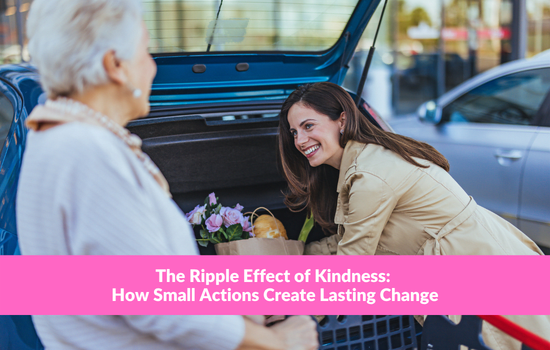
A smile. A handwritten note. A moment of patience. A sincere “thank you.”
Research consistently shows that even brief, intentional acts of kindness create a ripple effect, impacting not only the recipient but also the giver and everyone who witnesses the exchange. When guided by emotional awareness and self-regulation, kindness becomes more than a gesture; it becomes a leadership practice and a life strategy.
The Science Behind Kindness and Emotional Well-Being
Kindness is not just a moral virtue; it is biologically beneficial. Research from Harvard Medical School suggests that acts of kindness stimulate the release of oxytocin, sometimes referred to as the “bonding hormone.” Oxytocin lowers blood pressure, reduces stress, and increases feelings of connection. In other words, kindness supports both emotional and physical health.
Similarly, studies highlighted by the Greater Good Science Center at the University of California, Berkeley, show that practicing gratitude increases happiness levels and strengthens resilience. Participants who regularly expressed gratitude reported higher levels of optimism and improved emotional regulation.
This is where emotional intelligence plays a central role. When we practice kindness intentionally, we strengthen our awareness of others’ emotions while regulating our own responses. Over time, this builds deeper empathy and sustained emotional well-being.
Emotional Intelligence: The Foundation of Kindness
Kindness is not weakness. It is a regulated strength. In The Power of Emotion – A Practical Guide to Making the Most of Your Emotional Intelligence, I explore how emotions drive perception and behaviour. When we develop stronger emotional intelligence, we become more attuned to subtle emotional cues, fatigue in a colleague’s voice, discouragement in a friend’s posture, and hesitation in a team member’s response.
This heightened awareness allows us to respond with compassion rather than reactivity. Kindness strengthens two essential EI competencies:
-
Emotional awareness – Recognizing what others may be feeling.
-
Self-regulation – Choosing patience, empathy, or encouragement instead of frustration or indifference.
Research popularized by Daniel Goleman reinforces that empathy and social awareness are core components of effective leadership. Leaders who model kindness foster psychological safety, which in turn increases collaboration and trust. In professional environments, this directly improves meaningful relationships and overall performance.
The Ripple Effect in Action
Have you ever noticed how one act of kindness inspires another?
Behavioural scientists refer to this as “prosocial contagion.” Research from Yale University indicates that witnessing acts of generosity increases the likelihood that observers will behave generously themselves.
Kindness spreads. A leader who expresses appreciation sets a tone. A colleague who offers support shifts the atmosphere. A simple acknowledgment builds confidence.
Small actions create emotional momentum. That momentum strengthens teams, families, and communities. And importantly, kindness combined with gratitude reinforces a positive feedback loop. When we express gratitude, we heighten our emotional intelligence by intentionally focusing on what is working rather than what is lacking. This shift enhances emotional well-being and deepens meaningful relationships.
Kindness, Gratitude, and Emotional Regulation
Stress, fatigue, and pressure can narrow our perspective. Under strain, we default to efficiency over empathy. However, practicing intentional kindness disrupts this pattern. It requires us to pause and engage our emotional regulation skills.
Research published by the American Psychological Association shows that gratitude practices reduce stress and improve emotional regulation. When we actively reflect on what we appreciate, we calm our nervous system and restore balance.
This is a practical application of emotional intelligence. Rather than allowing stress to dictate behaviour, we consciously choose a response aligned with our values. Kindness becomes a stabilizing force.
Reflective Practice: The Mindful Journal
In The Mindful Journal, reflection is central to strengthening emotional intelligence. Awareness grows when we pause long enough to observe our thoughts, emotions, and behaviours.
Consider journaling these prompts:
-
What recent act of kindness did I experience? How did it affect my emotional state?
-
What act of kindness did I extend to someone else this week?
-
How did practicing gratitude influence my emotional well-being?
-
Where could I intentionally cultivate more kindness in my meaningful relationships?
Writing down these reflections increases self-awareness and reinforces neural pathways associated with gratitude and positive emotion. Small reflections create lasting growth.
Small Acts, Lasting Change
The ripple effect of kindness is real. Backed by research and grounded in emotional intelligence, even small gestures can transform emotional climates, strengthen meaningful relationships, and enhance long-term emotional well-being.
When paired with intentional gratitude, kindness becomes more than a moment; it becomes a mindset. As explored in The Power of Emotion, emotions drive perception and influence relationships long before logic enters the conversation. When we consciously choose kindness, we regulate our emotional responses and positively shape the environments we inhabit.
One act of kindness can create lasting change. Through emotional intelligence, kindness, and gratitude strengthen meaningful relationships, support emotional well-being, and positively influence those around us. The ripple effect begins with small, intentional actions, and it begins with you. Marshall Connects offers Emotional Intelligence Assessments and Coaching designed to strengthen emotional intelligence, self-awareness, resilience, and emotional well-being. Consider an EQ-i 2.0 Assessment to learn more about your emotional intelligence.
More Motivational Reads Here »
How Emotionally Intelligent Are You?
Sign up for Linda’s monthly tips to build your Emotional Intelligence and reduce Emotional Hijacking!